Understanding Sex Differences in Metabolic Health

Sex differences strongly influence susceptibility to obesity and metabolic diseases, with females generally showing more favorable metabolic profiles than males. These differences arise from the effects of sex hormones on adipose and liver metabolism, many of which are mediated through mitochondria. Because mitochondria control energy production and the balance between glucose and lipid use, their dysfunction, particularly in adipose tissue under nutrient stress, can lead to systemic metabolic imbalance, hyperglycemia, and lipotoxicity. Understanding how mitochondrial function differs between males and females helps us uncover why obesity-related disorders develop and how to target them more effectively.

Sex hormones shape adipose tissue–liver crosstalk via estrogen and androgen signaling through their receptors. By tuning mitochondrial metabolism and lipid handling in adipocytes and hepatocytes, these pathways help maintain balanced lipid flux and systemic energy homeostasis.
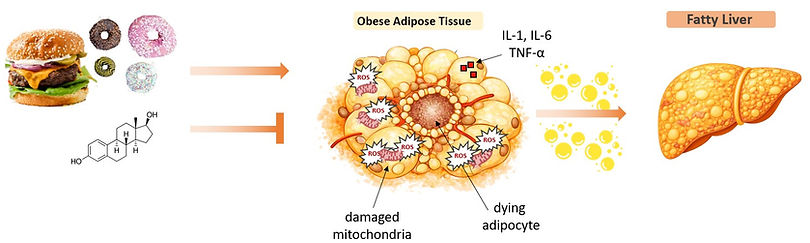
During chronic caloric surplus, altered sex hormone signaling disrupts mitochondrial function and lipid handling in adipose tissue and liver, contributing to sex-specific vulnerability to metabolic dysfunction. This hormonal modulation influences the imbalance between hepatic lipid uptake and export, highlighting sex hormones as key modifiers of adipose tissue–liver crosstalk in obesity-related diseases.

Experimental workflow of MEF derived adipocyte differentiation process and western diet treatment in vitro


Loss of Sirt3 alters lipid droplet (LD) morphology and abundance in a sex-dependent manner, with female KO adipocytes displaying both a higher number and larger size of LDs compared to male cells
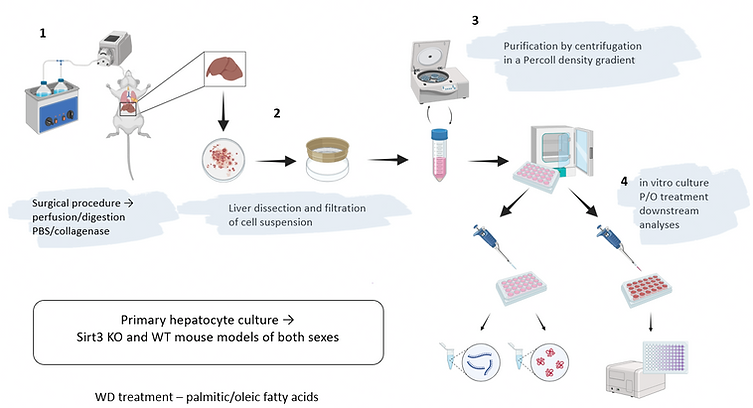
Schematic overview of the primary hepatocyte isolation and culture protocol
