Understanding sex differences in the biology of aging

Aging in multicellular organisms is a highly complex biological process associated with the progressive decline of function in most organs. According to recent research, twelve interconnected hallmarks of aging have been defined. One of the most important is a decline in mitochondrial function, which leads to disrupted energy homeostasis and increased production of reactive oxygen species (ROS). Aging is characterized by pronounced individual and sex-specific differences, and the onset and prevalence of many age-related diseases in humans depend on biological sex. Sex differences in the context of aging remain insufficiently studied; however, a potential underlying cause may lie in sex hormones, particularly androgens and estrogens, which are known to have a significant impact on energy metabolism, body composition, and inflammatory responses.

As mitochondrial function declines with age, cells generate more reactive oxygen species (ROS), exhibit lower oxidative phosphorylation efficiency, and accumulate damaged, poorly functioning metabolic enzymes. This mitochondrial stress can trigger cellular senescence and amplify its spread through inflammatory secreted factors and extracellular vesicles, contributing to tissue dysfunction in a sex-influenced manner.
In mice on a standard diet, the absence of Sirt3 reduces survival in a male-specific manner.
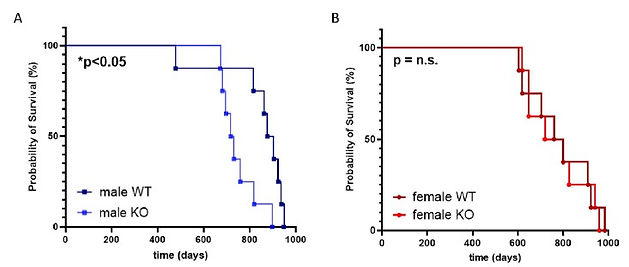
Šimunić E et al. (2025) https://redoxplore.com/article/67
Loss of Sirt3 reduces cell proliferation in male MEFs under standard culture conditions in vitro

Šimunić E et al. (2024) https://pubmed.ncbi.nlm.nih.gov/39395563/


Etoposide promotes senescence and neutralizes the impact of Sirt3 and sex on cellular growth.

Sirt3 contributes to sex-specific metabolomic response to etoposide treatment in MEFs